
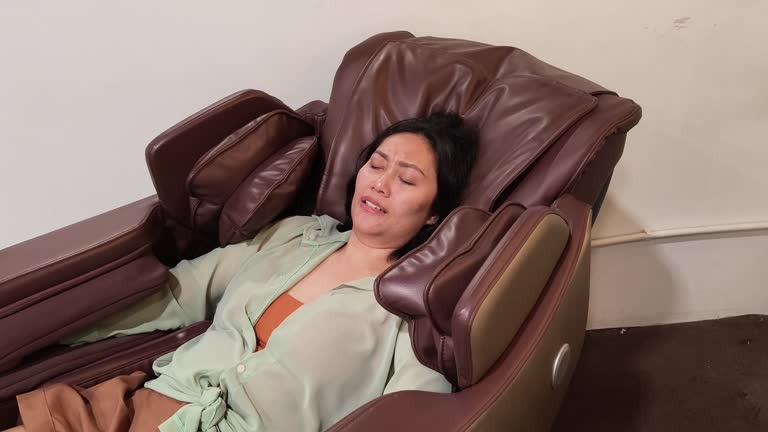
In recent years, massage chairs have gained significant popularity as a convenient and effective way to relieve muscle tension, reduce stress, and promote relaxation in the comfort of one’s home. While many users initially focus on short-term experiences with these devices, long-session feedback from customers offers deeper insights into their true value and performance over time.
One of the most prominent themes emerging from extended use reviews is durability. Massage chairs represent a considerable investment, so buyers naturally want assurance that their purchase will last. Long-session feedback often highlights how well the chair maintains its mechanical integrity after weeks or months of daily use. Users frequently discuss whether components such as rollers, airbags, and motors continue to function smoothly without degradation or breakdowns. Positive reports about longevity reinforce confidence in certain brands and models, while recurring complaints about parts malfunctioning can steer potential buyers away.
Comfort is another critical aspect revealed through prolonged usage accounts. Initial impressions may be influenced by novelty or excitement; however, sustained sessions reveal how ergonomically supportive the chair truly is for different body types and conditions. Reviewers often note whether the cushioning remains comfortable during extended massages or if it becomes too firm or worn down over time. Additionally, repeated use sheds light on how well adjustable features-such as intensity levels, reclining angles, and targeted massage zones-adapt to individual preferences during longer treatments.
Effectiveness in alleviating physical discomfort also becomes clearer with ongoing experience. Many users turn to massage chairs for relief from chronic issues like back pain or stiffness caused by sedentary lifestyles or repetitive strain injuries. Long-term reviewers provide valuable information regarding consistent improvements in mobility or reduction in soreness after multiple sessions spanning several weeks or months. This data helps prospective buyers gauge realistic expectations rather than relying solely on immediate sensations following a single treatment.
Another insight gleaned from extensive user feedback concerns maintenance requirements and ease of cleaning after regular usage periods. Massage chairs exposed to daily wear accumulate dust within crevices where rollers operate; some models are easier to maintain than others based on design accessibility for routine upkeep tasks like wiping surfaces or vacuuming hidden areas.
Lastly, long-session evaluations often address energy consumption patterns associated with frequent operation-a factor important both economically and environmentally when considering continuous home appliance use.
In summary, long-session feedback found within massage chair reviews provides invaluable perspectives beyond initial impressions by revealing crucial factors such as durability under repeated use conditions, sustained comfort levels tailored to various users’ needs over time, tangible effectiveness against persistent muscular ailments through consistent therapy application cycles along with practical considerations related to maintenance demands plus operational costs linked directly with habitual utilization scenarios thereby empowering consumers toward more informed purchasing decisions aligned closely with real-world performance realities rather than marketing promises alone.


